


 Categories
Download Catalogue

Key Differences Between Hydrostatic and Hydraulic Pumps in Excavators
Excavators rank among the top machines in building and mining work. Their work relies a lot on the kind of fluid power setup they have. At the core of these setups sit the pumps. These pumps turn engine power into fluid power to run the machine. Two common pump kinds in excavators are hydrostatic pumps and hydraulic pumps. Knowing the main gaps between these two pump types matters a lot. It helps pick the right setup for best excavator work.
In this post, we will look at what hydrostatic and hydraulic pumps mean. We will also check their main gaps. And we will see how each one impacts the speed, fuel use, and total work of excavators. At Hantang, we provide top-grade swap parts for both hydrostatic and hydraulic pumps. This makes sure your excavators keep best work in the hardest spots.
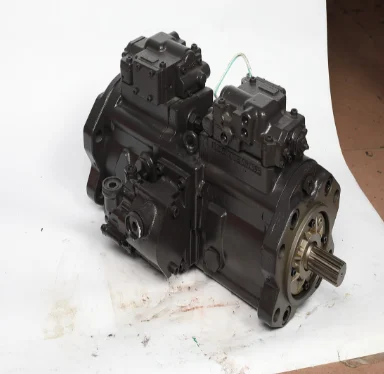
What Is a Hydrostatic Pump?
A hydrostatic pump is a kind of fluid pump. It gives exact control over speed and force in many types of machines, like excavators. Hydrostatic pumps play a big role in machines that need changing speed work and managed moves under different loads.
Hydrostatic pumps work by turning engine power into fluid power via a sealed loop setup. The top plus of this pump type is its skill to give even, quick, and exact control of speed and force. Hydrostatic setups often run on fluid that moves under steady push. This makes them great for jobs where control of both speed and push is key.
There are two chief kinds of hydrostatic pumps used in building machines:
- Axial piston pumps: These pumps use rods set in a spinning tube to move fluid and build push.
- Gear pumps: These pumps use linking gears to move fluid. They suit low push jobs well.
The main gain of hydrostatic pumps comes from their skill to give a steady flow of power. This allows more managed and even moves for jobs like raising, digging, and shifting heavy stuff.
What Is a Hydraulic Pump?
A hydraulic pump is a tool that turns engine power into fluid power with a setup of rods or gears. Hydraulic pumps show up in a broad range of machines, including excavators. They build high push in the setup to run tubes and motors.
Hydraulic pumps run on the idea of fixed shift. That means the fluid gets pushed through the pump at a fixed amount per turn. This pump kind makes sure the setup gets a steady flow of fluid, no matter the block in the setup. The power made by hydraulic pumps is vital for jobs that need high raising push, such as digging or dealing with heavy machine attachment.
Hydraulic pumps fall into different kinds, including:
- Gear pumps: These use gears to shift fluid through the setup.
- Piston pumps: These pumps use rods to make fluid push. They give higher flow and speed compared to gear pumps.
- Vane pumps: These pumps use moving blades to shift fluid. They often work for mid-push jobs.
Hydraulic pumps often appear in jobs that need high push for quick bursts of strong force. This makes them a usual pick in fields like building, mining, and making.
Key Differences Between Hydrostatic and Hydraulic Pumps
Both hydrostatic and hydraulic pumps do the same basic job of turning engine power into fluid power. But there are a few big gaps between the two. These gaps can change the work, speed, and cost value of the excavator. Below, we match the two pump kinds across a few main points.
Power Output
One of the top gaps between hydrostatic and hydraulic pumps is how they send power.
Hydraulic pumps make high push. This makes them great for jobs that need strong, steady force. So, they fit well for tasks like digging, raising heavy things, and forcing through hard stuff.
Hydrostatic pumps, on the flip side, give an even and ongoing power flow. This suits more tricky work that needs exact speed and force control. These pumps often work in setups where the call for changing speeds is high.
In jobs where changing speed and force control matter, like for fluid excavators, hydrostatic pumps hold a clear edge.
Efficiency
When it comes to speed, both pump kinds have their strong points. But the way they run impacts their power use in different ways.
Hydraulic pumps often run more quick when working at a steady, ongoing speed. This holds true for high-need tasks.
Hydrostatic pumps shine in speed when used in setups that need changing speed control. The sealed loop setups in hydrostatic pumps let for better rule of fluid flow. This cuts power waste during work that needs often changes in speed or force.
All in all, hydrostatic pumps often prove more power-quick in tasks that need speed tweaks. Hydraulic pumps do better in high-load, steady-speed jobs.
Speed and Control
Both pump kinds give different amounts of speed control and exactness in their work.
Hydraulic pumps offer high-push flow and send steady force. This makes them great for tasks where steady power is needed over time. Yet, they miss the fine-tuned control of speed and force that hydrostatic pumps give.
Hydrostatic pumps stand out in changing-speed control. They let the worker adjust the speed and force with care. This gives even shifts between different work like raising, turning, or digging. So, they fit well for tasks that need ongoing tweaks in speed.
For tricky digging tasks that involve many kinds of moves, hydrostatic pumps give more exactness. Hydraulic pumps suit better for tasks that need steady power.
System Compatibility
The blend of hydrostatic and hydraulic pumps into an excavator setup is another main gap.
Hydraulic pumps often form part of an open loop setup. That means the fluid flows through the pump and then goes back to the tank. This kind of setup works for jobs that do not need speed changes.
Hydrostatic pumps work in a sealed loop setup. This allows for better push and speed control. It makes them perfect for setups that need steady fluid flow without push ups and downs.
Excavators with tricky setups or those that need exact control of moves will gain more from a hydrostatic pump.
Performance Impact on Excavators
The kind of pump used in an excavator plays a big role in the machine’s total work. Here’s how hydrostatic and hydraulic pumps affect main factors like fuel speed, running costs, and toughness.
Fuel Efficiency
Fuel speed is a big deal for any building machine. Hydrostatic pumps often run more quick in work where speed and force change. Hydraulic pumps shine in spots that need steady power. A setup with a hydrostatic pump can save fuel due to its skill to tweak flow with care. This cuts unneeded fuel use during changing work.
Operating Costs
Running costs rely a lot on the upkeep and power use of the setup. Hydrostatic pumps often need more upkeep because of their tricky build. But they can be more fuel-quick in changing-speed jobs. Hydraulic pumps, though more simple in design, can cost more to run if used in high-push jobs for long times.
Durability and Lifespan
In terms of toughness, hydraulic pumps are often more sturdy and less likely to wear out under steady heavy load spots. Hydrostatic pumps, however, may need more upkeep, mainly when used in setups that call for often changes in speed and force.
When to Choose Hydrostatic Pumps Over Hydraulic Pumps
Pick hydrostatic pumps for excavators that need exact control over speed and force. They suit well for tasks like:
- Grading
- Raising heavy loads with changing speed
- Dealing with touchy digging work
When to Choose Hydraulic Pumps Over Hydrostatic Pumps
Hydraulic pumps fit better for high-power, low-speed tasks like:
- Steady digging
- Pushing and raising in rough spots
- Heavy stuff handling
They shine when steady, high push is needed without often changes in speed.
Conclusion
Picking between hydrostatic and hydraulic pumps for your excavator boils down to the exact needs of your tasks. Hydrostatic pumps suit well for jobs that need exact speed and force control. Hydraulic pumps shine in high-power, steady-speed spots.
FAQs
Q1: What’s the main advantage of using a hydrostatic pump in excavators?
A: Hydrostatic pumps offer precise control over speed and torque, making them ideal for tasks like grading, lifting, and other operations requiring variable-speed performance.
Q2: How do hydraulic pumps compare to hydrostatic pumps in terms of fuel efficiency?
A: Hydraulic pumps are generally more efficient for high-load, constant-speed tasks, while hydrostatic pumps excel in variable-speed applications, offering better fuel efficiency in such tasks.
Q3: How often should I maintain my hydrostatic or hydraulic pump?
A: Both types of pumps require regular maintenance, with hydrostatic pumps needing more attention due to their complex systems. Regular oil changes and checks for leaks or damage are essential for both.


