


 Categories
Download Catalogue

How Can Hydraulic System Design Cut Energy Costs in Heavy Machinery
In today’s construction and mining industries, running costs eat into profits faster than ever. Diesel prices go up, machines get bigger, and operators push for longer hours. Hidden in all that is a quiet energy thief — the hydraulic system.
For a typical excavator or loader, hydraulics account for over 60% of total power consumption. That means even small design improvements can deliver major savings over a machine’s lifetime.
This blog will systematically introduce how the hydraulic system in heavy machinery such as excavators and loaders achieves energy conservation and consumption reduction through design optimization, high-quality components and daily maintenance.
Why Does Energy Efficiency Matter in Hydraulic Systems
Energy efficiency isn’t just a buzzword. It’s a lifeline for contractors trying to control operating budgets and meet tighter emission standards.
Reduced Fuel Consumption and Operating Costs
A well-tuned hydraulic system reduces unnecessary load on the engine. Take an excavator running dual hydraulic pumps — if flow and pressure aren’t matched to the task, fuel burns faster than needed. By refining system design, operators can cut fuel use by 10–15%, which adds up fast on a jobsite that burns hundreds of liters a day.
Longer Component Lifespan and Lower Maintenance Needs
Heat is the enemy of every hydraulic component. Inefficient circuits generate excess heat, thinning oil and wearing out seals early. Lower energy loss means lower heat, which means pumps, valves, and motors simply last longer — fewer rebuilds, fewer downtime calls.
Compliance With Global Sustainability Standards
Governments and global clients are pressing for low-carbon construction. An energy-smart hydraulic design helps fleets meet those requirements without replacing entire machines. It’s practical sustainability — built right into the system.
What Design Factors Influence Hydraulic Energy Efficiency
Before touching any hardware, design choices make or break system performance.
Optimal Sizing of Pumps, Valves, and Actuators
Bigger isn’t always better. Oversized pumps waste energy moving unnecessary oil, while undersized components struggle and overheat. Engineers at Hantang often remind clients: “Match the pump to the pressure, not the wish list.” A correctly sized hydraulic main pump can keep the power curve balanced with the engine output, saving both fuel and wear.
Use of Load-Sensing and Variable Displacement Technology
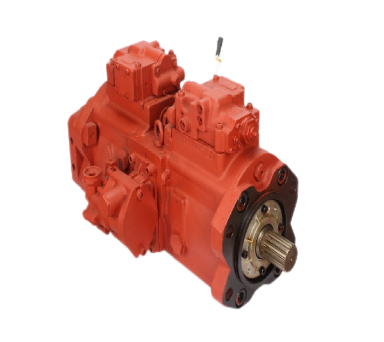
Modern systems use variable displacement piston pumps that adjust flow automatically to load demands. These pumps, like the Rexroth A10VO and A8VO series supplied by Hantang, change the swash-plate angle to deliver just the right amount of flow. Less wasted flow means lower fuel consumption — and smoother operator control.
Minimizing Flow Resistance Through Smart Circuit Layout
Every meter of hose and every tight bend adds resistance. Proper routing, high-grade seals, and balanced line diameters reduce flow losses dramatically. Small design details here — like keeping suction pressure above 0.8 bar — often decide whether a system runs cool or cooks itself in a few months.
How Do High-Performance Hydraulic Pumps Improve Efficiency
The hydraulic pump is the heart of the system. If it’s not efficient, nothing else will be.
Variable Displacement Piston Pumps for Power Control
Traditional fixed-flow pumps work full tilt no matter the demand. Variable units automatically cut output during light loads. Hantang’s imported OEM-grade pumps — used in excavators, loaders, and cranes — can trim energy loss by up to 30% compared with fixed-flow designs.
Low-Noise, High-Pressure Pumps That Reduce Energy Loss
Quiet doesn’t mean weak. Pumps like those in the A10VO series can handle pressures up to 350 bar with low vibration and stable flow. Less mechanical noise means smoother performance and better fuel-to-work conversion.
Application of Genuine OEM-Grade Components From Global Brands
Hantang focuses on genuine imported pumps — not replicas or untested copies. Real components from established factories maintain consistent tolerances (down to microns on rotor faces), ensuring every drop of oil contributes to usable work, not heat or leakage.
Can Smart Control Valves Make Hydraulic Systems More Energy-Efficient
Even the best pump needs intelligent control downstream. That’s where main control valves play their part.
Real-Time Flow and Pressure Optimization
High-response control valves balance the oil flow between multiple actuators — bucket, boom, and travel — in milliseconds. This prevents one circuit from hogging pressure, keeping the overall system balanced and efficient.
Proportional and Electro-Hydraulic Control Technologies
Electronic proportional valves allow precise motion control using low pilot pressures. Systems with electro-hydraulic logic reduce throttling losses and deliver oil only when needed. The result? Faster cycles with less engine load.
Integration With Intelligent Monitoring and Diagnostics
Some newer systems integrate sensors that track oil pressure, flow rate, and temperature in real time. Predictive diagnostics alert operators before efficiency drops. It’s not science fiction — it’s what modern heavy equipment demands. Hantang’s control assemblies are already compatible with such monitoring setups.
How Can Hydraulic Circuit Design Reduce Energy Loss
Energy doesn’t just disappear; it turns into heat and noise. Circuit design decides how much of it you waste.
Shorter Flow Paths and Proper Pipe Sizing
Long, narrow hoses cause friction losses. A circuit layout that keeps components closer — and uses correctly sized piping — maintains flow velocity within ideal limits. Even trimming two meters off a high-pressure line can save measurable horsepower.
Incorporation of Regenerative Hydraulic Circuits
Regenerative circuits redirect return-line energy to assist the next motion, like using the weight of a lowering boom to help lift another. In tests, such circuits can recover up to 15% of the system’s hydraulic power — a big deal for excavators doing repetitive loading work.
Efficient Cooling and Filtration to Prevent Energy Waste
Dirty or overheated oil thickens and drags the system down. Simple maintenance — changing filters, cleaning coolers, and keeping oil at around 90 °C — can sustain efficiency gains for years. Hantang often supplies integrated filter-cooler modules tailored for specific machine models.
Why Should Genuine Components Be Prioritized Over Aftermarket Parts
Many operators try to save upfront by mixing brands or using cheaper parts, but the long-term math rarely works out.
Precision Fit Ensures Maximum Efficiency and Reliability
Original components have exact tolerances that maintain system pressure. A non-genuine seal or valve spool even 0.2 mm off spec can leak hundreds of liters over a work season.
Certified Quality and Tested Pressure Tolerance
Hantang’s OEM-grade assemblies are pressure-tested — rotary motors, travel assemblies, and valves all go through multi-stage inspection before shipping. That’s the difference between stable power and random failures in the field.
Reduced Risk of Leakage and Premature Wear
Mixing low-grade parts often leads to uneven wear and micro-leaks that sap efficiency. Genuine parts protect the entire hydraulic ecosystem — pumps, cylinders, and filters work as designed, not just as installed.
What Are the Best Practices for Maintaining an Energy-Efficient Hydraulic System
Design and components mean little without proper care.
Regular Oil Cleanliness and Temperature Monitoring
Contaminated oil acts like sandpaper in a precision system. Using ISO-grade hydraulic oil (VG 46) and checking cleanliness to NAS 9 standard is an easy, low-cost habit that keeps systems healthy.
Periodic Inspection of Pumps, Valves, and Motors
Operators should log system pressures monthly. A slow decline in output may signal early internal leakage in a pump or valve — fixable before it becomes a full replacement.
Timely Replacement With OEM-Quality Spare Parts
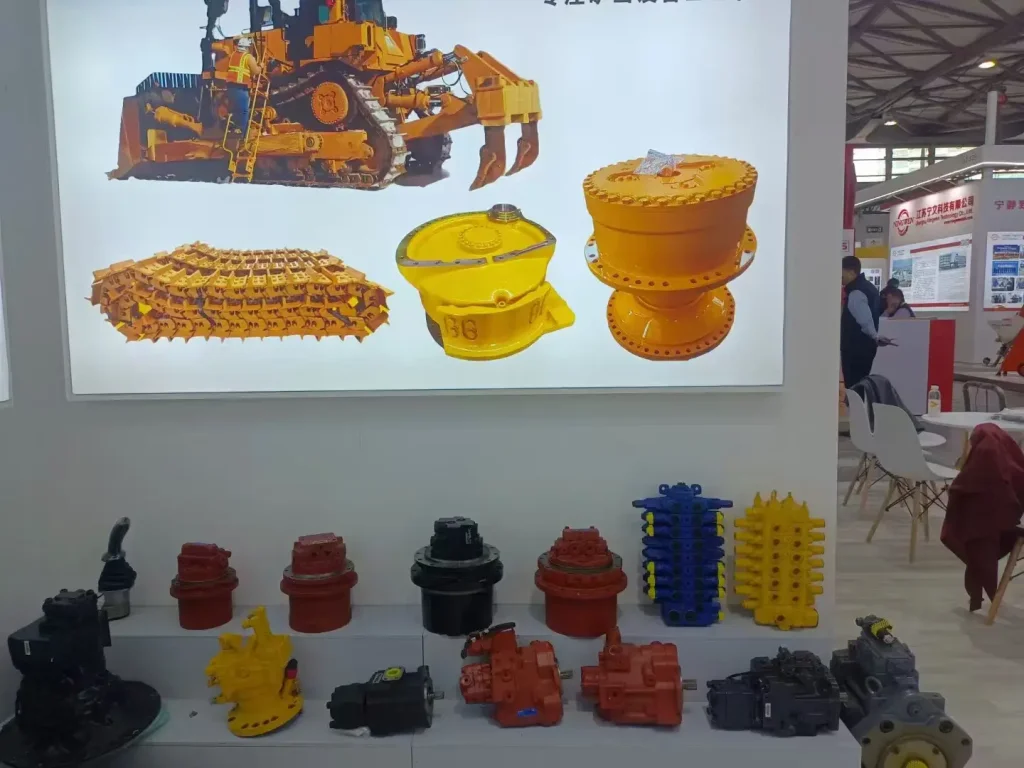
When wear eventually happens, swap with tested assemblies. Hantang’s catalog covers full units like rotary assemblies, travel assemblies, and engine subassemblies. They’re built for drop-in compatibility with most global excavator models, keeping fleets running efficiently with minimal downtime.
FAQs
Q1: How often should I check my hydraulic oil condition?
A: Every 500 operating hours is a good rule. Check color, temperature, and cleanliness — dirty oil can quietly drain system power.
Q2: Can I mix different brands of hydraulic components?
A: It’s risky. Tolerances vary between brands and may cause pressure imbalance or faster wear. Stick to matched OEM-grade assemblies.
Q3: What’s a simple way to improve fuel efficiency on site?
A: Keep your hydraulic filters clean and replace worn hoses. A clogged filter or small leak can raise fuel use by over 10%.


