


 Categories
Download Catalogue

Hydrostatic vs. Hydraulic Pumps: Key Differences in Construction Gear
In the world of construction machinery, pumps play an important role in keeping things running easy and quick. Whether it’s for excavators, loaders, or other big equipment, the pump acts like the core of any hydraulic setup. But figuring out the various kinds of pumps and their impact on your machine’s work can be tough. In particular, hydrostatic pumps and hydraulic pumps both get used a lot but do different jobs.
At Hantang, we focus on supplying top hydraulic parts and setups made for construction machines. In this post, we’ll look at the main differences between hydrostatic and hydraulic pumps. We’ll pay attention to how these setups get used in construction tools. Plus, we’ll point out Hantang’s new ideas.
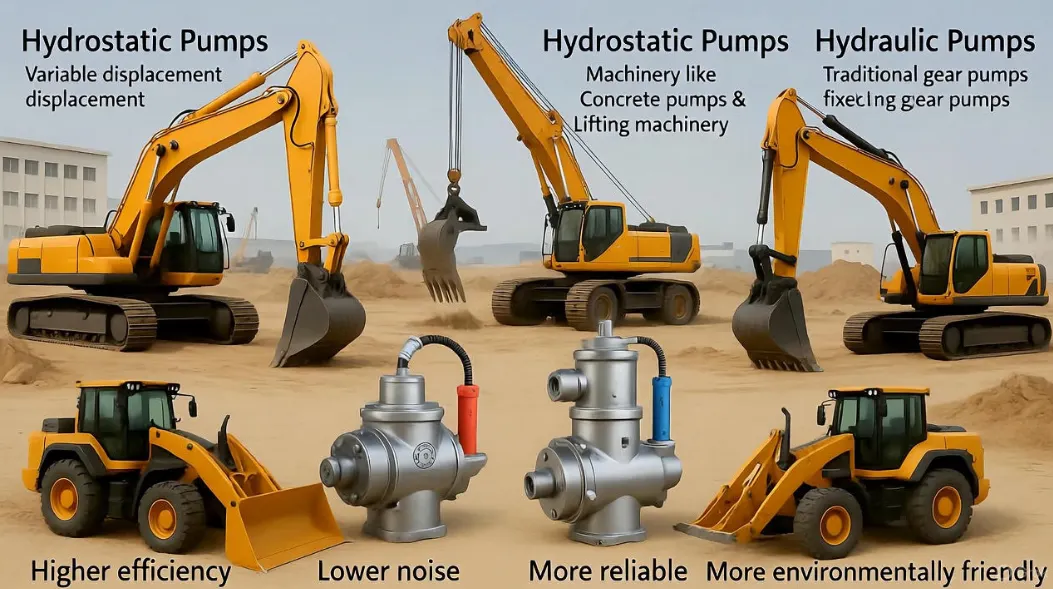
What is a Hydrostatic Pump?
A hydrostatic pump forms part of a setup that uses pressured fluid to send mechanical power. Hydrostatic setups are famous for their skill in handling changing fluid movement. This makes them great for jobs where easy, exact actions are required. Basically, these pumps give ongoing, changeable power that can get controlled just right.
Hydrostatic pumps often get used in setups where control over speed and force matters a lot. For example, in construction machines like cranes or bulldozers, operators need fine handling of the machine’s speed. A hydrostatic pump can provide easy speedup and slowdown without needing hand gears.
The main difference is that hydrostatic pumps let in changing flow. This means they can tweak the fluid flow speed based on what the job needs. So, they work well in tasks that call for often shifts in speed or torque. Yet, they usually are more tricky and might cost more than regular hydraulic setups.
What is a Hydraulic Pump?
Hydraulic pumps, however, mainly get made for high-pressure jobs where a steady flow of fluid is needed. These pumps change mechanical power into hydraulic power to run construction tools. Unlike hydrostatic pumps, which change their flow, hydraulic pumps mostly run at a fixed flow speed. This makes them perfect for tasks that need high pressure but less change in speed.
A hydraulic pump often gets used in setups that require trusty, high-pressure output. Take excavators, for instance. They need to lift heavy stuff. These pumps are built to deal with big pressure and give power all the time. They work by forcing fluid into hydraulic cylinders or motors. This provides the power needed to shift the machine’s arms, buckets, or other parts.
The Hantang line of hydraulic pumps includes imported choices and rebuilt units. This ensures we can offer answers for every sort of construction job. For instance, when dealing with hydraulic pumps in excavators, like Hantang’s pick of high-efficiency Rexroth and Kawasaki pumps, buyers gain from a good level of handling and strength during tough jobs like digging or raising heavy items.
Key Differences Between Hydrostatic and Hydraulic Pumps
Operational Differences
The biggest difference between hydrostatic and hydraulic pumps shows up in how they work. Both pumps move fluid. But hydrostatic pumps allow more wiggle room in the flow speed. These pumps adjust based on what the setup needs. This makes them great for jobs that require changing speed and torque. Hydraulic pumps, though, stay more steady and regular. They offer fixed power output with fewer tweaks to the flow.
In construction, the correct pump depends on the job you have. For example, if you’re on a project that needs often changes in load and speed, a hydrostatic pump will give the best results. On the flip side, if you’re running big machines like an excavator that needs steady, strong output, a hydraulic pump will bring the trust you need.
Efficiency and Control
Efficiency in construction machines is key to keep things running easy and cheap. Hydrostatic pumps do well in this spot by giving active handling. This cuts down energy use during jobs that need changing speeds. It helps a lot in lowering fuel bills and cutting wear on the tools.
But hydraulic pumps also bring high efficiency on their own. With hydraulic pumps, the setup is fixed to a steady flow. This means energy doesn’t get lost in tweaking the flow during regular tasks. So, hydraulic pumps turn out very trusty for powering construction tools in repeated or ongoing jobs.
Durability and Maintenance
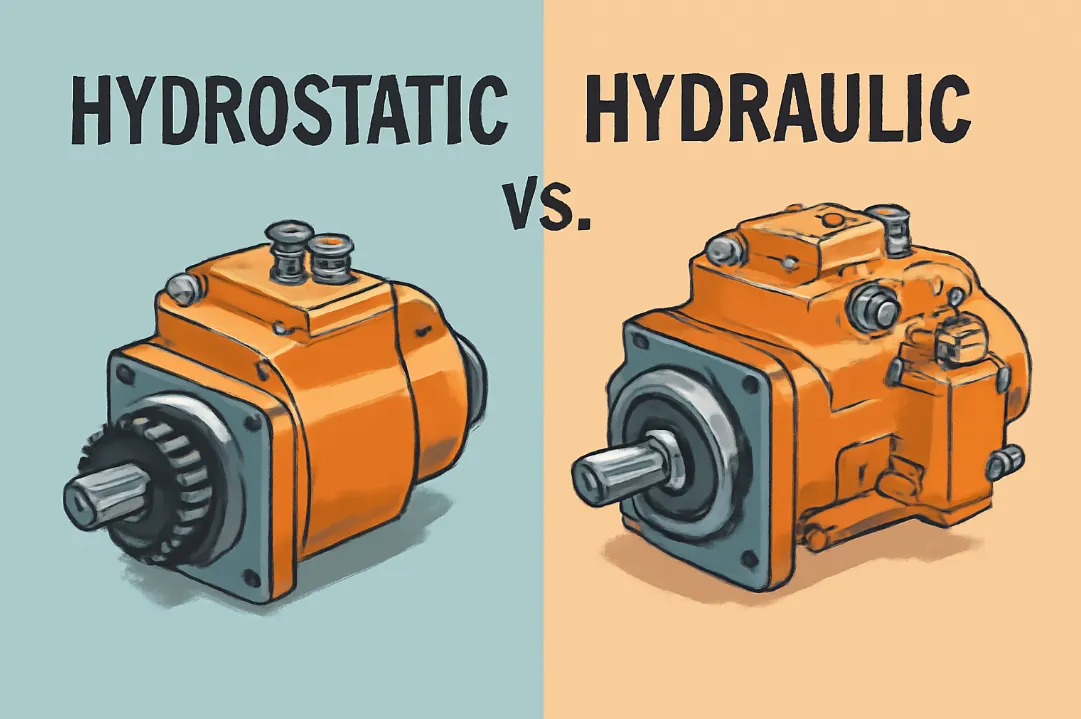
Both hydrostatic and hydraulic pumps need usual upkeep. But the tricky nature of hydrostatic pumps often means they come with higher upkeep costs. These pumps have more parts that move and complex setups. This can raise the risk of wear. It’s something to think about when running machines in hard spots.
Hydraulic pumps usually have a simpler build. This makes them easier to keep up and fix. They last long and can handle many hours of heavy work. For Hantang’s buyers, the lasting power of our hydraulic setups means less time off, lower long-run upkeep costs, and better results over the life of the tools.
Advantages of Hydraulic Systems in Construction Machinery
High Efficiency and Precision
Hydraulic pumps are well-known for their exact handling of movements. This is vital in construction. Whether it’s an excavator’s digging arm or a bulldozer’s blade, hydraulic setups make sure actions are easy and managed. At Hantang, we supply good-quality hydraulic setups. They get made to raise work efficiency even in the toughest spots.
For example, when running a complex setup like a multi-purpose excavator, the hydraulic setup needs to be not just trusty but also flexible to various work scenes. The exactness from hydraulic pumps makes sure the machines do their best. This happens whether raising heavy stuff or doing detailed digging jobs.
Energy Conservation and Environmental Impact
With the world move toward green ways, energy saving has turned into a big deal in construction machines. Hydraulic setups play a key part in this shift. Hantang’s hydraulic setups, like the A8VO series, mix in load-sensing tech. This helps cut energy use by making the power better during jobs. It not only lowers bills for our buyers but also shrinks the total green mark of construction works.
As the call for earth-friendly tools grows, picking high-efficiency hydraulic pumps like those from Hantang can be a main point in hitting both rule standards and green aims.
Comparing Hantang’s Hydraulic Solutions
Product Showcase
Hantang’s hydraulic answers get built with many uses in mind. We offer products that fit a wide span of construction machines. From our imported hydraulic pumps to rebuilt choices, we bring top parts that make sure your machines run at their top.
For instance, our imported Rexroth A10VO hydraulic pumps get made to handle the heavy jobs that modern excavators meet. The A10VO series mixes strength with efficiency. This makes it the right match for tough spots where exactness and energy saving matter most.
Customization and Flexibility
At Hantang, we get that no two construction jobs are the same. That’s why we give custom hydraulic answers to fit the exact needs of our buyers. Whether you’re on a city build site or a rougher spot, our pumps can get changed to match the work needs of your machines. Our skilled team makes sure every setup gets made better for its planned use. This brings lasting worth to our buyers.
Conclusion
Picking the right pump is vital for making sure your construction tools run easy and quick. While both hydrostatic and hydraulic pumps have their pluses, the choice in the end rests on the kind of your work. Hydrostatic pumps bring the wiggle room and handling needed for active, changing-speed jobs. Meanwhile, hydraulic pumps do great in giving steady, trusty power for heavy jobs.
At Hantang, we offer a span of hydraulic answers. This includes high-quality imported products and remanufactured options. All get made to meet the exact needs of construction machinery. With our lasting, quick, and changeable hydraulic setups, your tools will be set to face any test that comes.
FAQ
Q1: How do hydrostatic and hydraulic pumps vary?
A: Hydrostatic pumps handle variable flow for speed changes. Hydraulic pumps give steady flow for high pressure.
Q2: Best pump for variable speed tasks?
A: Hydrostatic pumps work best for jobs needing speed adjustments and control.
Q3: When to pick hydraulic pumps?
A: Choose them for steady, high-pressure work like lifting in excavators.


