


 Categories
Download Catalogue

What Are the Major Components of an Excavator
An excavator may look simple from a distance, but once someone stands close to it, the machine tells a different story. Every part has its own job, and one weak link can slow everything down. Construction crews rely on these machines for long days, and when something inside doesn’t work right, the whole workflow gets disturbed.
To help buyers, operators, and maintenance teams understand the machine better, the sections below walk through the main components of an excavator. The article also shares how Hantang’s pump assemblies—A8VO140LA0KH2/63R1, 2923800806/K3V112, and AP2D36LV3RS6-909-4—fit into real work situations.
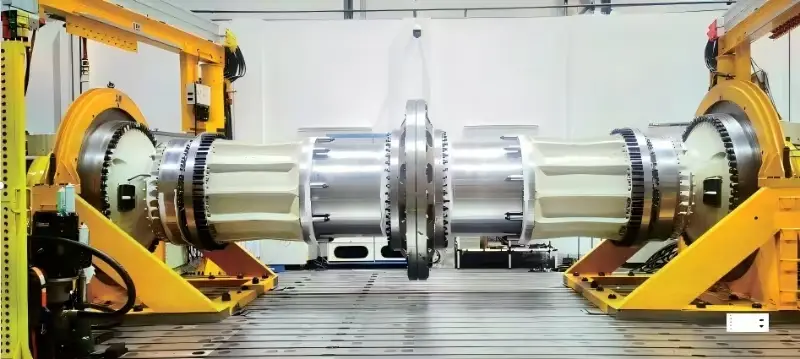
How Does the Excavator Power System Deliver Stable Performance?
An excavator cannot move without a steady source of power. This power system sits deep in the machine. It may stay hidden most of the time, yet everything depends on it. When the power section behaves well, operators notice smoother digging, easier swinging, and fewer delays.
Diesel Engine Output
The diesel engine offers the first push of energy. It creates the torque needed to drive the rest of the machine. Some engines respond faster than others, and that reaction affects how the boom or arm behaves. A small delay in the engine often becomes a big delay at the bucket.
On most machines, the engine and pump need to “cooperate.” When they match well, the operator gets better control. The machine feels calmer. It avoids sudden jumps or weak spots during digging.
Hydraulic Pump Efficiency
After the engine produces torque, the hydraulic pump turns that torque into oil flow. Excavators depend on this flow more than almost anything else. When the pump stays steady, the machine stays steady. When the pump hesitates, the entire machine does too.
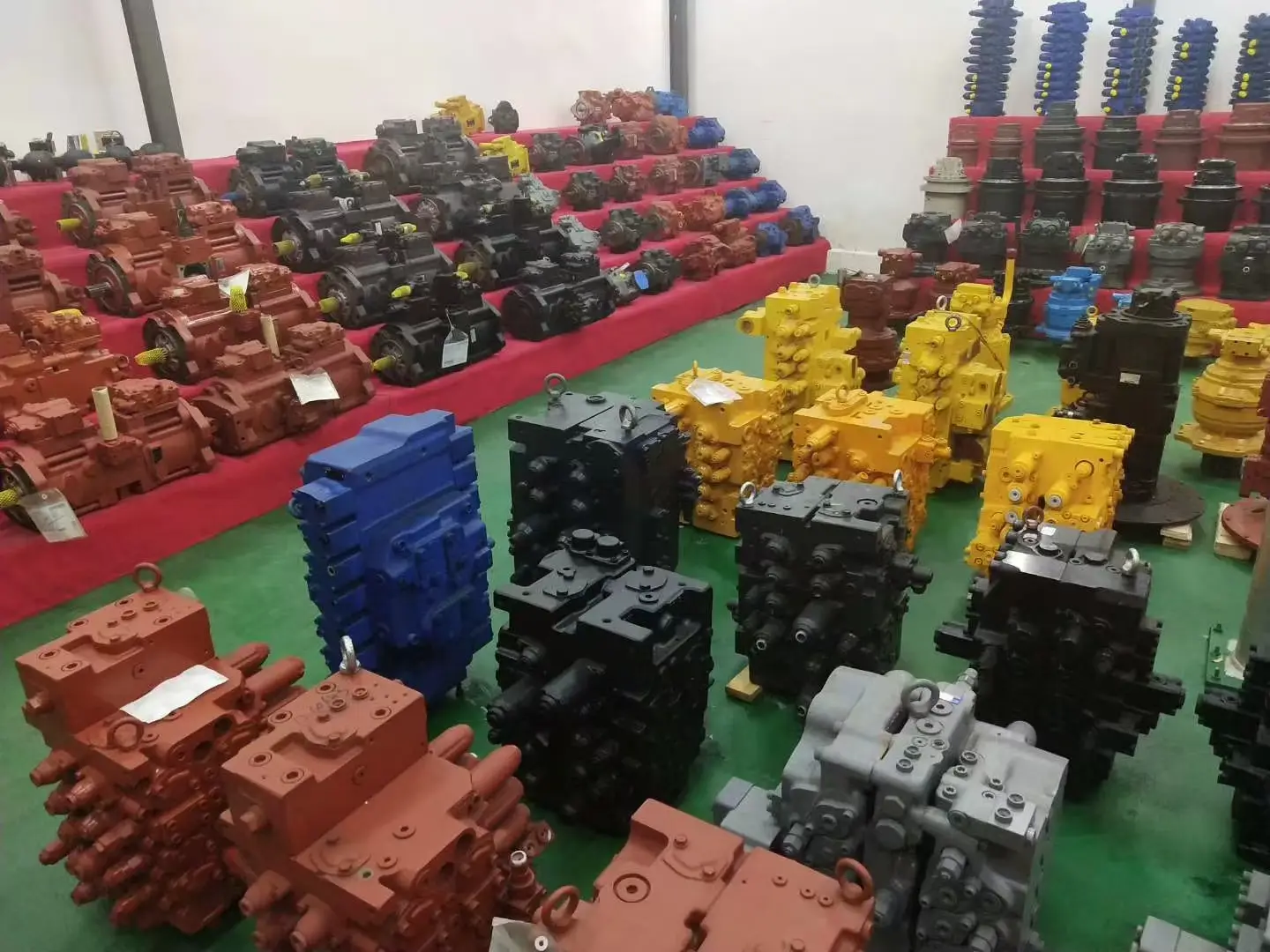
Hantang supplies pump assemblies with stable performance records, including:
- A8VO140LA0KH2/63R1Pump Assembly (REXROTH) — often used in mid-large excavators that need solid output and smooth pressure.
- 2923800806 / K3V112Pump Assembly (KPM) — widely chosen because it handles heavy digging without sudden pressure drops.
- AP2D36LV3RS6-909-4Pump Assembly (REXROTH) — compact but surprisingly responsive, suitable for lighter excavators that still work in tough places.
These pumps help the machine keep a more even oil flow even when the bucket digs into tougher ground. Operators usually notice that the excavator reacts quicker and feels more reliable.
Fuel and Air Management
One more part of the power system is the mix of fuel and air. This part may seem small, yet it can change how the whole engine feels. With clean filters and proper airflow, the engine runs easier and wastes less fuel.
When this section stays clean, the pump also performs better. The excavator then runs smoother without extra stress on the hydraulic lines.
Why Is the Hydraulic Pump Assembly Critical to Excavator Operation?
The power system delivers energy, but the hydraulic pump assembly sends that energy where it needs to go. Without a strong pump, even the most skilled operator will struggle. The machine may shake, slow down, or get hot too quickly.
Main Pump Flow Generation
The main pump creates the oil flow that powers the boom, arm, bucket, swing motor, and travel motor. A steady flow makes movements more predictable. A weak flow makes the excavator feel heavy and slow.
The pump assemblies from Hantang follow OEM-level standards. They deliver a more consistent flow that supports tough digging, trenching, and loading even when the machine faces rough soil or rock.
Pressure Regulation System
Excavators face pressure spikes. These spikes happen when the bucket hits dense ground or when the operator changes directions fast. A reliable pump assembly reacts fast to these changes. It protects the cylinders and hoses while keeping the movements stable.
Both Rexroth and KPM pumps supplied by Hantang are known for this stability. Their valve plates and pistons handle sudden changes without losing pressure.
Pump Assembly Compatibility
A pump is only useful if it fits the machine. This means matching the displacement, mounting size, control type, and hydraulic layout. Hantang carries a wide range of models, making it easier for repair shops and fleet managers to find a proper replacement without long delays.
Good compatibility reduces downtime, which saves money on big job sites.
What Role Does the Undercarriage Play in Machine Stability?
While the pump sends energy, the undercarriage carries the weight. It handles mud, stones, bumps, and long travel paths every day. Many excavators fail because of undercarriage problems that start small and grow larger if ignored.
Travel Mechanism Support
The travel motors, final drives, and sprockets are the parts that help the excavator move. When these parts stay in good shape, the excavator climbs slopes more easily and travels over uneven ground without shaking too much.
A strong travel system saves time during repositioning, which can matter a lot on large jobs.
Track Frame and Rollers Protection
The track frame holds the tracks steady. Rollers guide the tracks and support the weight above them. When rollers wear badly, the tracks may tilt or shift. This makes the machine harder to control.
A healthy track frame protects not only the operator but also the hydraulic lines and the upper structure.
Load Distribution Structure
The undercarriage spreads the excavator’s weight across the tracks. This affects stability, especially in soft soil. A balanced undercarriage helps reduce rocking during digging. It also gives the boom a firmer point to push from.
How Do the Boom, Arm, and Bucket Enable Precise Digging?
Once the base and power are ready, the front parts handle the actual work. These parts look simple but can change the overall performance more than people expect.
Boom Lifting Force
The boom does most of the lifting. It raises the arm and moves the bucket. A strong boom helps the operator keep the load controlled during high lifts. The cylinder movement also affects how smooth the digging arc feels.
Arm Excavation Reach
The arm gives the excavator its reach. It helps with shaping trenches, digging against walls, and handling jobs that require careful movement. A responsive arm cylinder lets the operator make small adjustments without losing balance.
Bucket Material Handling
The bucket carries the material. There are buckets for clay, rock, sand, and more. No matter the type, the bucket needs enough hydraulic power to bite into the ground. A smooth bucket curl helps the operator fill the bucket fully without spilling too much.
How Does the Control System Improve Operator Coordination?
A powerful excavator is useless without good control. The control system guides the flow of oil and helps the operator handle more complex motions comfortably.
Hydraulic Control Valves
Hydraulic valves direct the oil to different functions. When valves respond quickly, the machine moves more naturally. This helps especially when lifting while swinging or digging while adjusting the boom.
Electronic Control Modules
These modules read signals from the machine. They adjust pump output and help keep movements smooth. Operators usually do not see these modules, but they feel the results through steadier controls.
Safety and Monitoring Units
Sensors and switches protect the machine from overheating or pressure failure. They give early warnings so operators or maintenance teams can act before major damage appears.
FAQ
Q1: How often should a hydraulic pump be replaced?
A: Many pumps last between 8,000 and 12,000 hours, but this can change with soil conditions, machine size, and working habits.
Q2: Are Hantang pump assemblies compatible with older excavators?
A: Yes. Hantang offers many pump assemblies that fit common older models, including Rexroth and KPM types.
Q3: What signs show that a pump assembly may be getting weak?
A: Slower movement, overheating, strange noise, or a drop in digging strength usually appear first. Machines that hesitate during multi-function work should be checked soon.


